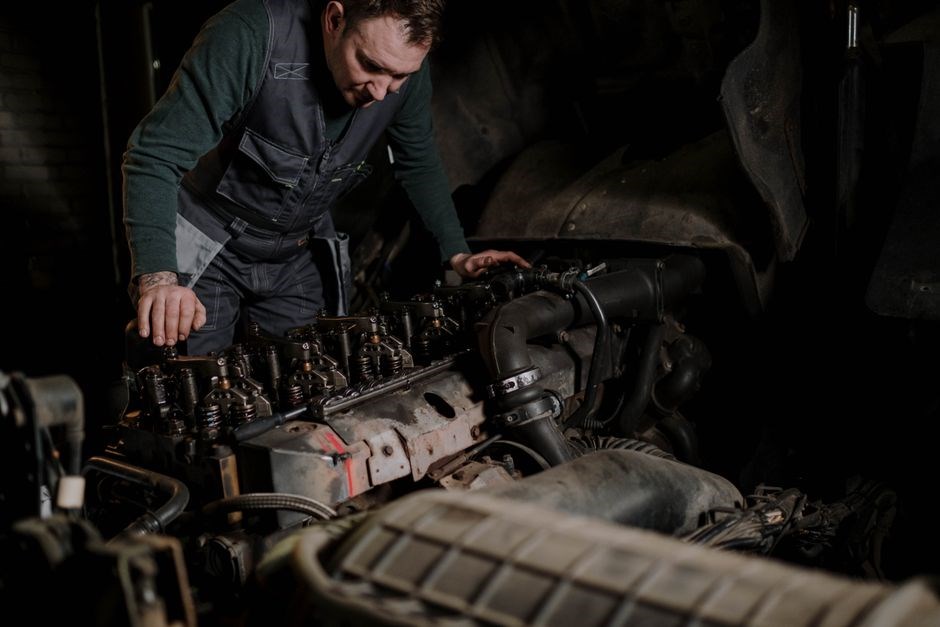
Kohler engine manuals guide users through setup, safety, maintenance, and repairs. They detail model specs, part numbers, and troubleshooting steps. Manuals include diagrams, inspection schedules, and overhaul procedures, ensuring reliable operation and compliance with warranty terms.They offer repair guides.
History of Kohler Engine Documentation
From the early 1900s, Kohler’s commitment to clear, comprehensive documentation has evolved alongside its engine innovations. The first printed manuals appeared in 1918, accompanying the company’s inaugural line of stationary engines. These early volumes were handwritten, bound in thick paper, and distributed to a limited network of dealers. By the 1930s, Kohler introduced the first standardized paper manuals, featuring schematic diagrams and exploded views that simplified assembly and troubleshooting for field technicians.
The post‑war era marked a significant shift. In 1947, Kohler launched the “Engine Service Manual” series, a set of bound books that included safety warnings, maintenance schedules, and detailed repair procedures. These manuals were printed in large format, with color illustrations that improved readability. The 1960s saw the introduction of the Aegis and Courage series manuals, each tailored to specific engine families and incorporating user‑friendly tables for part identification and replacement intervals.
With the advent of digital technology in the 1990s, Kohler transitioned to electronic manuals. PDF versions of the Aegis and Courage manuals were made available through the company’s website, allowing technicians to access up‑to‑date information on the go. The 2000s brought interactive online platforms, where users could search by model number, horsepower, or component. This digital shift also enabled Kohler to issue rapid updates for recall notices and safety advisories, ensuring that field service personnel always had the latest guidance.
Today, Kohler’s documentation ecosystem includes printed manuals, downloadable PDFs, and an integrated online knowledge base. Each format maintains the same rigorous standards for clarity, accuracy, and safety compliance. The company’s continued investment in documentation reflects its dedication to customer support, product longevity, and the seamless operation of its engines worldwide.

Overview of Kohler Engine Series
Kohler’s engine lineup is organized into distinct series that cater to performance, durability, and application needs. The Aegis series, introduced in the early 2000s, focuses on high‑output, liquid‑cooled vertical crankshaft engines ranging from 17 hp to 23 hp. These engines are engineered for heavy‑duty use, featuring reinforced cylinders, advanced fuel injection, and robust cooling jackets that allow sustained operation in demanding environments.
The Courage series, launched in the 1990s, targets the mid‑range market with engines from 20 hp to 27 hp. These models emphasize reliability and ease of maintenance, incorporating a horizontally mounted crankshaft design that simplifies access to key components. The series is known for durable crankcase construction and low‑maintenance oiling systems, making it a popular choice for agricultural and industrial applications.
Both series share design philosophies—high‑strength alloy castings, precision machining, and comprehensive service documentation—while differing in cooling methods, mounting configurations, and target horsepower ranges. Kohler’s documentation for each series includes detailed schematics, part lists, and step‑by‑step repair procedures, ensuring technicians can quickly diagnose and resolve issues.
Besides the Aegis and Courage families, Kohler offers specialty engines for marine, generator, and auxiliary power applications. These engines feature unique mounting brackets, exhaust configurations, and fuel systems tailored to specific use cases. The company’s commitment to clear, accessible manuals across all series guarantees users have the information needed to maintain optimal performance and extend engine life.
Documentation for each engine series is organized into modular sections: safety, assembly, inspection, overhaul, and troubleshooting. Safety pages highlight critical warnings—high‑temperature zones, electrical hazards—while assembly sections provide step‑by‑step instructions with labeled diagrams. Inspection schedules are broken down into daily, monthly, and annual checks, ensuring wear and tear are caught early. Overhaul chapters detail component disassembly, cleaning, and re‑assembly. Troubleshooting guides use flowcharts to help technicians isolate common faults like fuel starvation, overheating, and electrical failures.
For users preferring digital access, Kohler provides downloadable PDFs and an online portal where technicians can search by engine model, serial number, or part number. The portal hosts video tutorials, interactive schematics, and a parts ordering system that links directly to authorized dealers. This integrated approach ensures that whether a technician is in the field or in a workshop, they have immediate access to current information, reducing downtime and improving overall engine reliability.

Kohler Aegis Series Manual Coverage
The Aegis series manuals provide exhaustive coverage for the 17, 20, and 23‑hp liquid‑cooled vertical crankshaft engines. Each manual opens with a safety section that lists critical warnings—high‑temperature zones, electrical hazards, and proper lockout procedures. The assembly instructions follow, featuring step‑by‑step diagrams that illustrate the correct order for bolt tightening, gasket placement, and crankshaft alignment. Detailed torque specifications are supplied for every fastener, ensuring the engine meets manufacturer tolerances.
Inspection schedules are broken into daily, monthly, and annual checks. The daily checklist covers oil level, coolant temperature, and visual inspection for leaks. Monthly tasks include checking the fuel filter, spark plug condition, and belt tension. Annual procedures cover a full oil change, coolant flush, and a comprehensive review of all seals and gaskets. The manual also includes a maintenance log template for technicians to record each service event, aiding warranty compliance and future diagnostics.
Overhaul procedures are organized by component: cylinder head, block, crankcase, and accessory drive train. Each section lists disassembly steps, cleaning methods, and reassembly instructions. The manual specifies recommended replacement parts—piston rings, valve seals, timing chain tensioners—and provides part numbers for quick ordering. It also includes a troubleshooting flowchart that addresses common issues like overheating, oil leaks, and fuel starvation.
The manual documents revision history, noting updates to torque specs, safety warnings, and component changes. An appendix lists common abbreviations and a glossary defines technical terms. A service bulletin section alerts users to any field service updates, ensuring compliance with the latest regulatory standards. A detailed parts list with OEM part numbers, alternative suppliers, and part availability status is also included.
Digital resources accompany the printed manual. A downloadable PDF is available through the Kohler website, and an online portal offers searchable schematics, video tutorials, and a parts ordering system that links directly to authorized dealers. This integrated approach ensures technicians have immediate access to the latest information, reducing downtime and improving overall engine reliability.
Kohler Courage Series Manual Coverage
The Courage series manuals cover the 20, 22, 23, 24, 25, 26, and 27‑hp vertical crankshaft engines. They begin with a safety section that lists lock‑out procedures, high‑temperature warnings, and electrical hazard precautions. The assembly instructions follow, providing step‑by‑step diagrams for bolt tightening, gasket placement, and crankshaft alignment. Torque specifications for every fastener are included to ensure compliance with manufacturer tolerances.
Inspection schedules are divided into daily, monthly, and annual checks. Daily checks cover oil level, coolant temperature, and visual leak inspection. Monthly tasks include fuel filter replacement, spark plug inspection, and belt tension verification. Annual procedures cover oil change, coolant flush, and a full review of seals and gaskets. A maintenance log template is provided for technicians to record each service event, aiding warranty compliance and future diagnostics;
Overhaul procedures are organized by component: cylinder head, block, crankcase, and accessory drive train. Each section lists disassembly steps, cleaning methods, and reassembly instructions. Recommended replacement parts—piston rings, valve seals, timing chain tensioners—are specified with part numbers. A troubleshooting flowchart addresses common issues such as overheating, oil leaks, and fuel starvation.
The manual documents revision history, noting updates to torque specs, safety warnings, and component changes. An appendix lists abbreviations and a glossary defines technical terms. A service bulletin section alerts users to field service updates, ensuring compliance with the latest regulatory standards. A detailed parts list with OEM part numbers, alternative suppliers, and part availability status is also included.
Digital resources accompany the printed manual. A downloadable PDF is available through the Kohler website, and an online portal offers searchable schematics, video tutorials, and a parts ordering system that links directly to authorized dealers. This integrated approach ensures technicians have immediate access to the latest information, reducing downtime and improving overall engine reliability.
Accessing Official Kohler Service Manuals
Official Kohler service manuals are distributed through the company’s online portal, the Kohler Engine Service Center, and authorized dealers. To obtain a manual, you must first register on the Kohler website, providing your engine model, serial number, and purchase details. Once logged in, the “Service Manuals” section offers downloadable PDFs. For engines older than 2015, the portal provides a “Legacy Manual” archive, which includes PDFs for the Courage and Aegis series.
Digital access is also available via the Kohler Mobile App, which syncs your engine data and provides step‑by‑step repair guides. For technicians on the go, the app offers offline viewing, allowing you to reference diagrams and torque tables without an internet connection. Support is available through the Kohler Service Hotline, where certified technicians can walk you through complex procedures or help locate the correct revision for your engine. The hotline is staffed 24/7, and a live chat option is available on the website for quick questions.
Warranty compliance is maintained by ensuring you use the most recent revision, as older manuals may omit critical safety updates or revised torque values. By following the official distribution channels, you guarantee accurate maintenance records, correctly specified parts, and optimal engine condition. Kohler also offers a subscription plan for unlimited access to manuals and technical documents, with priority support for rapid turnaround on repairs.
Engine technicians can also access a database of service bulletins and technical service letters, filtering by model or part number. This ensures that only relevant updates are viewed, helping maintain compliance and improve repair efficiency. All documents are PDF and downloadable.
Third‑Party Online Manual Repositories
Third‑party repositories host Kohler engine manuals for users who lack official access. Popular sites include ManualsLib, ManualsCenter, and ManualsOnline. These platforms aggregate PDFs from public domain, user uploads, and forum contributions. Users can search by engine model, serial number, or series (Aegis, Courage). The PDFs often include safety warnings, maintenance schedules, and repair procedures. However, the accuracy of revisions varies; some files may be outdated or incomplete. To mitigate risk, cross‑reference with the official Kohler revision number listed on the engine’s identification plate. Many repositories also provide downloadable images, exploded views, and part lists, which can be useful for troubleshooting. Some sites offer community forums where technicians discuss specific issues, share tips, and upload custom diagrams. While convenient, third‑party sites may lack the latest technical service bulletins, so users should verify critical torque values and safety updates against the official Kohler documentation. Additionally, copyright considerations apply; users should ensure that downloading or sharing manuals complies with local laws and Kohler’s licensing terms. For professional service shops, a subscription to a reputable manual database may provide guaranteed up‑to‑date content and support, reducing the risk of using obsolete information. These resources are essential for technicians seeking reference and cost‑effective solutions !

Structure of a Kohler Service Manual
Official Kohler service manuals are organized into a consistent, modular layout that allows technicians to locate information quickly. The first section is the front matter, which includes the revision history, safety warnings, and a quick‑reference table of part numbers and serial‑number ranges. Following that, the engine description section provides a concise overview of the model, engine type, and key specifications such as displacement, horsepower, and cooling system. The next major block is the “Installation and Setup” chapter, where step‑by‑step instructions guide the user through mounting, electrical connections, and initial start‑up checks. After installation, the “Safety and Warning” section lists critical hazards, lock‑out/tag‑out procedures, and environmental precautions. The core of the manual is the “Maintenance and Inspection” chapter, which contains a detailed schedule of routine tasks—oil changes, filter replacements, timing‑belt inspections, and fluid checks—along with torque specifications and service intervals. Following maintenance, the “Troubleshooting” chapter offers a diagnostic flowchart that correlates symptoms with probable causes and recommended corrective actions. The “Repair and Overhaul” section is subdivided into engine disassembly, component inspection, and reassembly, complete with exploded diagrams, part lists, and re‑torque tables. The consistent structure ensures that whether a technician is performing a quick oil change or a full engine overhaul, the necessary information is always within reach. Detailed diagrams aid repair.—
Safety and Warning Sections
Every Kohler service manual begins with a comprehensive safety chapter that lists all hazards associated with engine operation and maintenance. The section is divided into three parts: general safety, electrical precautions, and environmental warnings. General safety covers lock‑out/tag‑out procedures, the importance of wearing personal protective equipment, and the risks of working with high‑pressure oil, gasoline, and hot surfaces. Electrical precautions detail the correct handling of battery cables, spark‑plug leads, and the use of insulated tools to prevent accidental short circuits. Environmental warnings remind technicians that improper disposal of oil, coolant, and other fluids can damage ecosystems and violate local regulations. The manual also includes a “Do Not” list—such as never operating the engine while the battery is disconnected, never touching the crankshaft while the engine is running, and never using a damaged spark‑plug wire. Each warning is accompanied by a pictogram and a brief explanation of the potential injury or damage. The safety chapter ends with a checklist that technicians must complete before any service task, ensuring that all safety measures have been verified. By following these guidelines, users can minimize risk and maintain a safe working environment while servicing Kohler engines. Additionally, the manual specifies that all service personnel must be trained in basic engine safety and that any deviations from the prescribed procedures may void the warranty. All safety warnings are reinforced with bold text and red exclamation icons to capture immediate attention. The manual also recommends periodic safety audits to ensure ongoing compliance with industry standards!!!
Maintenance and Inspection Schedules
The Kohler engine service manual provides a detailed maintenance schedule that specifies the frequency of routine tasks such as oil changes, filter replacements, and inspection of critical components. The schedule is organized by operating hours and calendar time, with separate tables for the Aegis and Courage series. For example, the Aegis 17, 20, and 23 HP engines require an oil change every 250 hours or 6 months, whichever comes first. The manual also recommends inspecting the crankshaft, timing chain, and valve clearances at 1,000 hours. In dusty or dirty environments, the manual advises performing these tasks more frequently, typically every 125 hours. Starter maintenance varies by brand: Denso starters need a routine inspection at 500 hours, while Delco starters do not require this check. Additionally, the manual lists seasonal tune‑up procedures, such as cleaning the air cleaner and checking the coolant level, which should be done at the start of each operating season. All maintain activities must be logged in the service record, and any deviations from the prescribed schedule may void the warranty. The manual stresses that a certified Kohler service dealer should perform complex repairs or overhauls to ensure compliance with manufacturer standards. By adhering to this rigorous schedule, operators not only prolong engine life but also maintain optimal performance, reduce unexpected downtime, and comply with environmental regulations, thereby safeguarding both the equipment and the operator’s safety. This guidance is essential for any maintenance crew,

Overhaul and Repair Procedures
The Kohler engine service manual provides a comprehensive overhaul procedure for the Aegis and Courage series. It begins with a disassembly checklist that covers removal of the oil pan, valve cover, timing chain cover. The manual then instructs technicians to inspect the crankshaft, bearings, and timing chain for wear, and to replace any worn components with OEM or approved parts. Valve clearance is measured and adjusted to the specifications listed in the torque table. The cylinder head is cleaned with the recommended solvent, and the head gasket is replaced with a new one. The manual also details the removal and inspection of the starter assembly; only Denso starters require a specific inspection interval, while Delco starters do not. After reassembly, the engine is run on a dynamometer to verify proper operation and to ensure that all components are functioning within specifications. The manual includes torque specifications for every fastener, a reassembly sequence, and a list of recommended parts with part numbers and suppliers. Safety precautions are emphasized, such as disconnecting the battery, draining all fluids, and using proper tools. The overhaul procedure is illustrated with photos and diagrams to aid technicians. Finally, the manual requires a final inspection checklist and documentation of all work performed, ensuring compliance with warranty and manufacturer standards. The manual also provides a troubleshooting flowchart guiding through modes, including coolant mis leaks and oil pressure drops! The manual also includes a section on diagnostic test equipment, specifying the required voltages, resistance ranges, and tolerance levels for each sensor and component.
Common Troubleshooting Topics
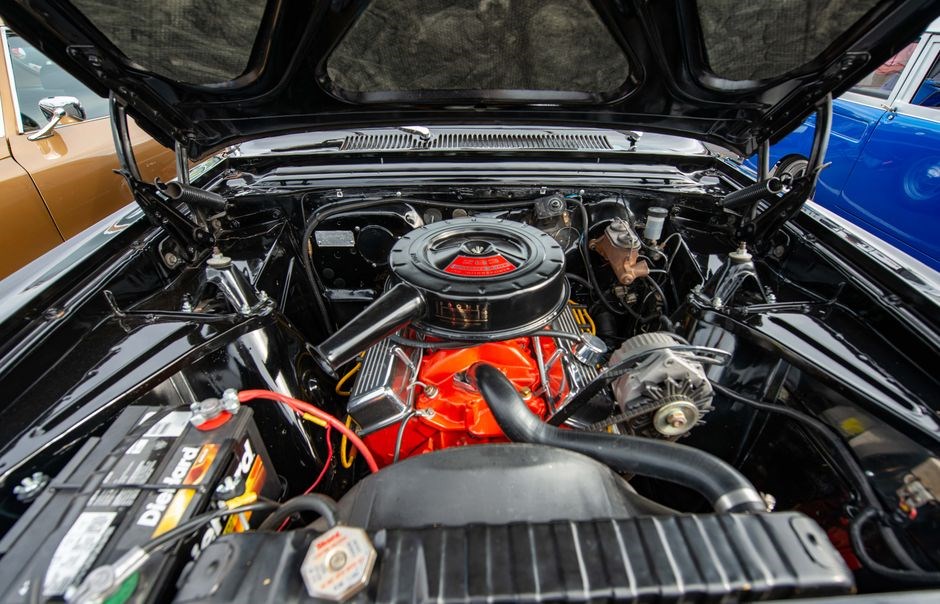
Engine start‑up issues are often traced to the ignition system. The manual advises checking spark plug leads for continuity and ensuring the spark plug gap matches the specified value. If the engine fails to start, inspect the battery voltage; a fully charged battery should read at least 12.6 V. For intermittent cranking, examine the starter motor’s connections and verify that the starter solenoid is receiving proper voltage. A dead or weak starter may be caused by a worn starter gear or a faulty solenoid; replace as indicated in the parts list. Oil pressure problems are addressed by inspecting the oil filter and oil pan gasket for leaks. The manual recommends using a pressure gauge to confirm that oil pressure remains above the minimum threshold during idle and at operating temperature. Low oil pressure can also result from a clogged oil filter; replace the filter with a new one that meets the manufacturer’s specifications. Cooling system failures are diagnosed by checking the coolant level and inspecting the radiator hoses for cracks or leaks. The manual specifies that the coolant should be a 50/50 mix of antifreeze and water, and that the radiator cap pressure should be 15 psi. If the engine overheats, the manual instructs to inspect the water pump impeller and the thermostat housing for signs of wear. A faulty thermostat can cause the engine to run hot; replace it with the correct part number. Electrical faults are further explored by testing the alternator output; a healthy alternator should produce 13.8–14.4 V under load. If the alternator output is low, inspect the alternator belt for proper tension and replace the belt if it shows signs of wear. The manual also covers fuel system issues: verify that the fuel filter is clean and that the fuel pump delivers adequate pressure. A clogged fuel filter may be replaced with a filter that meets the specified flow rate. Finally, the manual includes a troubleshooting flowchart that guides the technician through each symptom, providing step‑by‑step diagnostics and recommended corrective actions. This systematic approach ensures that common problems are identified quickly, reducing downtime and preserving engine reliability.
Warranty and Service Support
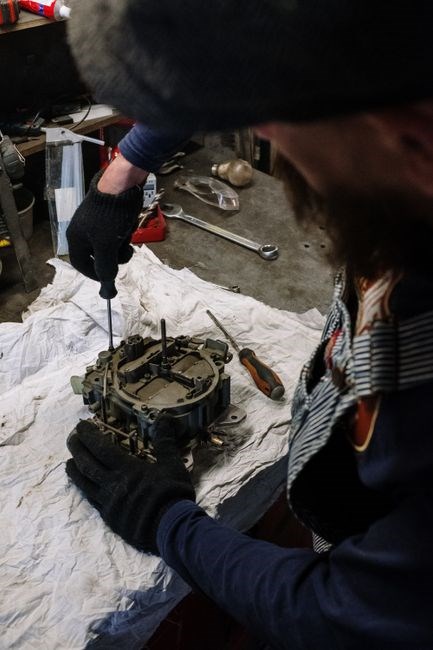
The warranty and service support section of a Kohler engine manual is essential for owners and technicians. It explains the standard five‑year or 100,000‑hour coverage that applies to new engines, and it lists the conditions that must be met to keep the warranty valid, such as regular maintenance by a certified technician and the use of genuine Kohler parts. The manual provides a directory of authorized service centers, complete with phone numbers, email addresses, and operating hours for each region. It also supplies part numbers, OEM identifiers, and recommended suppliers for replacement components. The claim process is described in detail, including required documentation, the steps to file a claim, and the expected timeline for resolution. A service log is emphasized as a key requirement for validating warranty claims, and a FAQ section addresses common questions about coverage limits, accidental damage, and environmental damage. The manual directs users to an online portal where they can download the latest service bulletins, technical updates, and repair guides, ensuring they have the most current information. For additional assistance, a 24/7 hotline connects customers to a technical specialist. The manual also explains how to schedule on‑site service visits, the cost range for common repairs, and how to verify the authenticity of parts before purchase. Finally, it offers post‑service support instructions for reporting recurring issues and requesting follow‑up inspections, ensuring continuous quality assurance throughout the engine’s life cycle. All help is here.