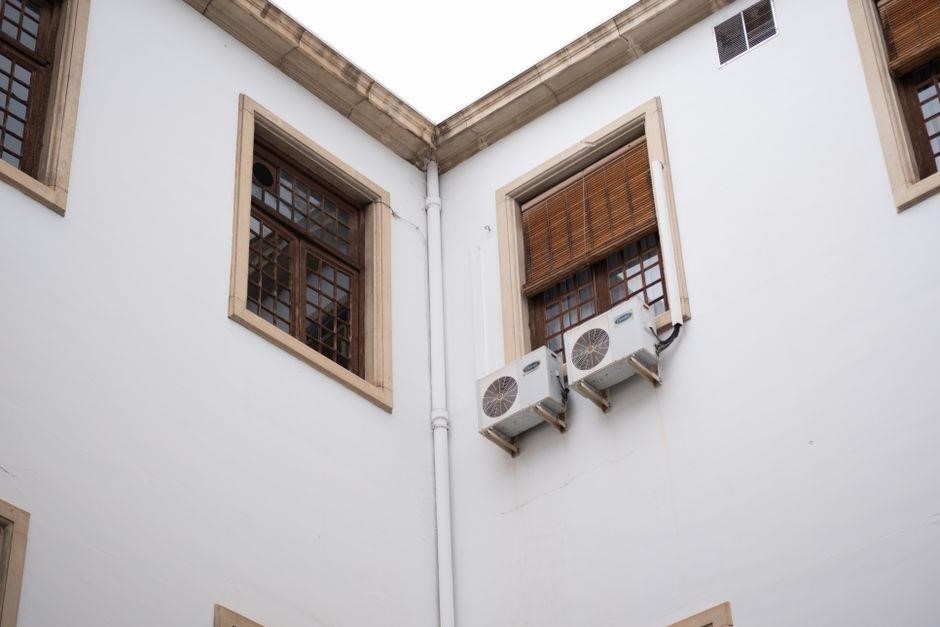
hvac manual d
Understanding HVAC Systems
HVAC systems regulate temp, humidity, and air quality in structures.
This mechanical system controls air movement effectively.
It is crucial for building comfort and health.
See resources for more detailed insights now.
Definition of HVAC
Heating, Ventilation, and Air Conditioning, commonly abbreviated as HVAC, represents a comprehensive mechanical system designed to meticulously regulate the environmental conditions within enclosed structures.
As detailed by various authoritative sources, this technology manages not only the temperature but also the relative humidity and the overall quality of the indoor air.
The function encompasses heating elements for warmth, ventilation mechanisms ensuring fresh air exchange, and air conditioning capabilities for cooling and dehumidification.
Britannica describes it as a system controlling temperature, humidity, and air movement throughout a building.
Wikipedia confirms the acronym stands for Heating, Ventilation, and Air Conditioning, providing a clear definition for industry understanding.
Carrier further clarifies this meaning for residential applications.
This integrated approach is vital for occupant comfort and maintaining healthy, controlled interior atmospheres across diverse building types.
The scope extends beyond mere climate control to encompass air purification and consistent environmental stability, making it a cornerstone of modern building science and engineering practices globally.
Future market reports analyze the size and trends within this essential sector, highlighting its continuous relevance in construction and facility management worldwide.
This definition encapsulates the multifaceted role HVAC plays in modern infrastructure, ensuring habitable and productive indoor spaces for all users.
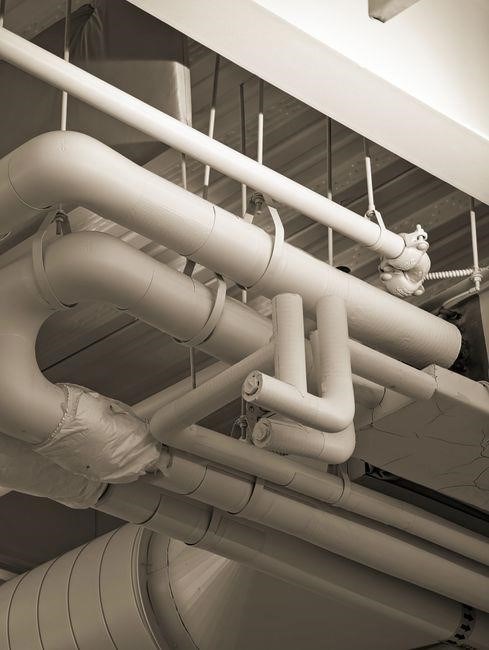
Components of an HVAC System
HVAC incorporates heating elements, ventilation mechanisms, and air conditioning functions.
These parts work together to control temp and humidity.
It is a complex mechanical system for building comfort.
Consult guides for full operational details.
Heating Elements
Heating Elements are vital parts within any comprehensive HVAC setup, designed specifically to raise the ambient temperature within a structure to a comfortable level for its occupants.
These components can manifest in various forms, such as electric resistance coils, gas burners, or heat pumps, depending on the overall system design and the energy source utilized by the installation.
Understanding their function is key to system operation and maintenance, as detailed within specialized documentation like the HVAC Manual D.
The manual provides precise information regarding the safe operation, required voltage specifications, and recommended maintenance schedules for these heating apparatuses.
Proper care ensures energy efficiency and prevents premature component failure, thereby maintaining optimal indoor climate control throughout the operational cycle.
It is imperative that all servicing of these elements is conducted by qualified technicians adhering strictly to safety protocols outlined in the documentation.
This detailed knowledge supports reliable performance, which is a primary goal of any well-managed climate control infrastructure in modern buildings.
The integration of these elements with the broader system—including ventilation and air conditioning functions—ensures balanced thermal regulation across all occupied zones, contributing significantly to overall occupant well-being and energy conservation efforts in commercial and residential settings.
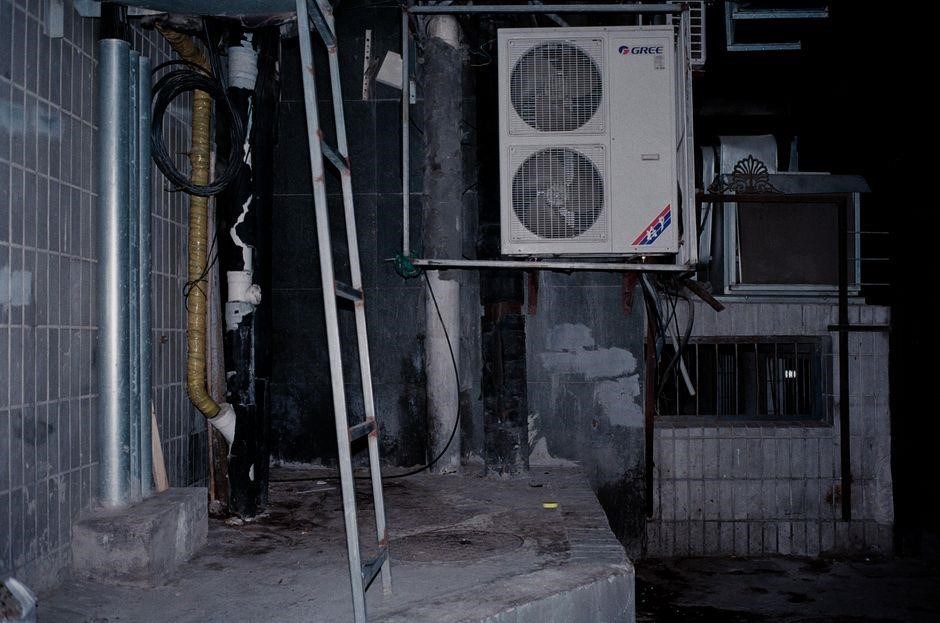
Ventilation Mechanisms
Ventilation Mechanisms within an HVAC framework are fundamentally responsible for managing the exchange of indoor air with outdoor air, a critical aspect for maintaining healthy and comfortable environments within any enclosed space.
These mechanisms involve fans, dampers, and air handling units that facilitate the controlled intake of fresh air and the expulsion of stale, potentially contaminated indoor air.
The HVAC Manual D offers in-depth guidance on the correct operation and configuration of these components, ensuring that air exchange rates meet established indoor air quality standards for various building types.
Proper ventilation prevents the buildup of pollutants, excess moisture, and odors, which is paramount for occupant health and longevity of building materials.
The manual details operational procedures, including scheduling and balancing airflow to ensure uniform air distribution throughout the entire structure, avoiding stagnant zones.
Maintenance checks specified in the documentation focus heavily on filter integrity and damper functionality to guarantee unimpeded and balanced airflow performance over time.
Ignoring these aspects can lead to energy waste, poor air quality, and system malfunctions, necessitating strict adherence to the prescribed guidelines for effective and safe system utilization in all applications.
Air Conditioning Function
Air Conditioning Function within the context of HVAC systems primarily revolves around the process of cooling the indoor environment while simultaneously managing humidity levels to achieve optimal thermal comfort for occupants.
This is accomplished through the cyclical transfer of heat from the conditioned space to the external environment, typically utilizing refrigerants within a closed loop system, as detailed in comprehensive technical guides like the HVAC Manual D.
The manual provides precise operational parameters, including setpoint ranges and cycle timings, necessary for efficient cooling performance across diverse climatic conditions encountered in various geographical locations.
Furthermore, the function extends beyond mere temperature reduction; dehumidification is an integral part of effective air conditioning, preventing mold growth and enhancing perceived comfort, which is a key focus area within the documentation.
Understanding the operational procedures outlined in Manual D ensures that the system operates at peak energy efficiency, minimizing utility consumption while meeting stringent indoor air quality standards.
Safety guidelines within the manual are vital, covering refrigerant handling and electrical safety during cooling operations, thereby protecting both personnel and the equipment itself from potential hazards associated with high-capacity thermal management systems.
Regular adherence to the routine inspection checklist detailed therein guarantees the long-term reliability and consistent performance of the cooling apparatus, making the manual an indispensable operational reference for technicians and building managers alike in maintaining superior environmental control.
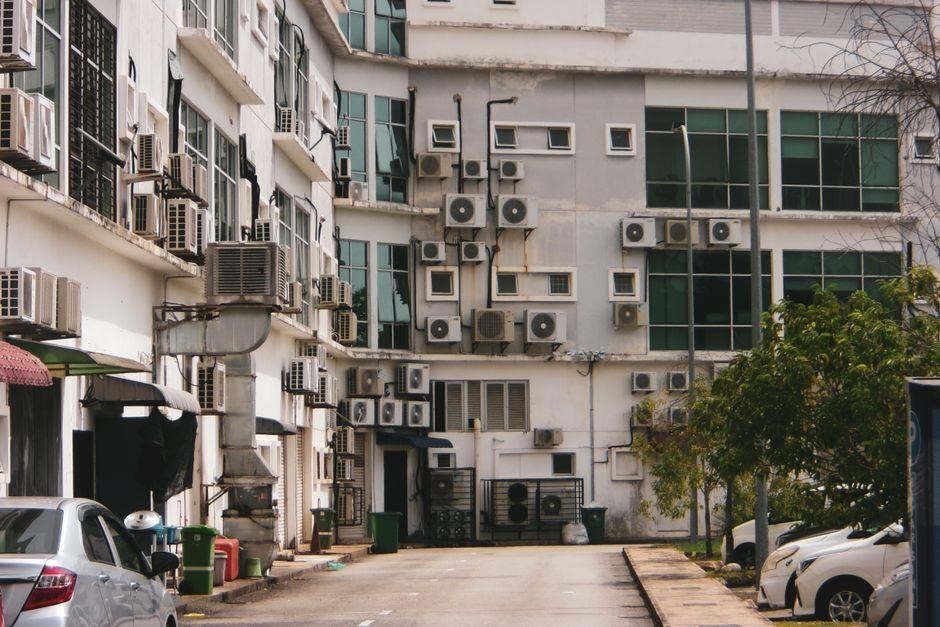
HVAC Manual D Specifics
HVAC Manual D is a critical technical document detailing system design and operation.
It provides essential information for safe and effective installation and maintenance of HVAC equipment.
Consulting this guide ensures compliance with industry best practices for thermal control in buildings.
Purpose of Manual D
HVAC Manual D serves as a comprehensive technical reference guide for all aspects related to heating, ventilation, and air conditioning systems within a structure.
Its primary objective is to standardize the design, installation, operation, and maintenance procedures, ensuring optimal performance and occupant safety across diverse building environments.
This document consolidates critical engineering data, load calculations, equipment specifications, and procedural guidelines necessary for professionals involved in the HVAC lifecycle.
It helps prevent costly errors, energy waste, and potential system failures by providing a unified standard.
For instance, it dictates how temperature and humidity control should be achieved reliably.
The manual ensures that the system effectively regulates indoor air quality according to established benchmarks.
It is not merely a suggestion but a technical requirement for proper system integration and long-term functionality within commercial or residential settings.
Understanding its scope is vital for anyone working with these complex mechanical systems.
This detailed documentation supports regulatory compliance and efficient resource management throughout the building’s operational lifespan, making it indispensable for technical teams.
Locating Manual D Documentation
HVAC Manual D documentation can typically be found in several authoritative locations depending on the system’s origin and regulatory requirements.
The most reliable source is often directly with the original equipment manufacturer (OEM) of the installed HVAC unit, as they provide system-specific versions.
Furthermore, building management software or dedicated facility maintenance databases frequently archive these critical technical documents for easy access by authorized personnel.
For standardized versions, governmental or industry-specific regulatory bodies often maintain repositories where compliant documentation can be downloaded.
It is strongly advised never to rely solely on informal sources for this technical material.
Always check the physical documentation located near the main HVAC unit or within the building’s central engineering records room first.
Digital copies should be secured on a secure, accessible network drive, not just on local devices.
Consulting the building’s facilities manager is the most direct route to locating the correct, version-controlled copy of the manual.
Ensuring the documentation is current is paramount for safety and operational accuracy, aligning with industry best practices for system upkeep and performance monitoring across all regulated environments.
Interpreting HVAC Manual D
HVAC Manual D provides essential operational and safety guidelines for system use.
Careful reading ensures correct function and prevents costly errors.
Understand all technical specifications detailed within the document for optimal performance.
This guide is key to safe and efficient building climate control.
Safety Guidelines in Manual D
Safety is paramount when interacting with any HVAC apparatus, and
Manual D meticulously outlines critical precautions for all personnel.
Never attempt internal repairs without proper training and lockout/tagout procedures strictly followed.
Electrical hazards are significant; always verify power disconnection before inspection or service.
Furthermore, guidelines address refrigerant handling, ensuring environmental and personal safety compliance as per industry standards.
Proper ventilation protocols must be observed during system operation, especially when combustion-based heating is involved;
The documentation emphasizes the dangers of improper handling of high-voltage components and pressurized systems.
Regular safety checks, as detailed in the manual, mitigate risks associated with mechanical failure or operational misuse.
Adherence to these directives protects both the technician and the building occupants from severe harm.
Consulting this specific section before any maintenance task is absolutely mandatory for responsible system management and operational integrity across all installations.
Operational Procedures Outlined
Manual D provides clear, step-by-step instructions for the correct and efficient running of the entire HVAC apparatus.
These procedures cover initial startup sequences, routine cycling, and normal shutdown protocols to ensure longevity and peak performance.
Operators must follow the prescribed sequence for engaging heating, ventilation, and air conditioning functions sequentially or concurrently, depending on the system design.
The documentation details optimal setpoint ranges for temperature and humidity control, aligning with established indoor air quality standards for occupant well-being.
It specifies how to monitor system performance indicators, such as pressure readings and airflow rates, during standard operation cycles.
For automated systems, the manual explains the logic behind control sequences, allowing for informed adjustments rather than random tinkering.
Correct operational execution minimizes unnecessary energy consumption, contributing to lower utility costs and reduced environmental impact.
Understanding these outlined procedures prevents system stress, premature wear, and potential operational malfunctions throughout the service life of the equipment.
This comprehensive guidance ensures consistent, reliable climate control within the serviced structure, meeting all functional expectations set by the system design specifications.
Maintenance Using Manual D
Manual D guides all necessary upkeep for peak system function.
It details routine inspection checklists and specific maintenance tasks required for longevity.
Follow these instructions diligently to ensure reliable climate control and energy efficiency in your building.
Routine Inspection Checklist
HVAC Manual D provides a comprehensive
checklist for routine system inspections, ensuring optimal performance and safety within any climate control setup.
This vital document outlines specific checks, such as filter cleanliness, coil condition, and drain line functionality, which users must adhere to regularly.
Regular adherence to this checklist prevents minor issues from escalating into major, costly system failures, thereby extending the operational lifespan of the entire HVAC apparatus.
The guidelines emphasize preventative care over reactive repairs, a cornerstone of efficient building management practices globally.
Furthermore, the manual details visual checks for signs of wear, unusual noises, or leaks, allowing for early intervention by qualified technicians.
It is imperative that all inspections are documented as per the procedures specified within the official documentation to maintain a clear service history for future reference and warranty compliance.
This proactive maintenance strategy significantly reduces unexpected downtime and associated energy waste, contributing to lower operational expenditures for property owners and facility managers across various sectors, including residential and commercial applications.
Always consult the latest version of the manual before commencing any inspection activity to ensure accuracy regarding model-specific requirements and safety protocols outlined therein.
The thoroughness of this checklist directly correlates with the sustained quality of indoor environmental conditions maintained by the system, encompassing both thermal comfort and air purity standards as defined by industry benchmarks.
Remember that safety protocols are paramount; never attempt complex repairs without professional assistance, relying instead on the diagnostic guidance provided in the manual for non-invasive checks.
Troubleshooting Guidance
HVAC Manual D offers structured
troubleshooting guidance designed to help users diagnose common operational
issues before calling a service professional, thereby saving time and resources.
The manual presents a logical, step-by-step diagnostic flow, typically starting with simple checks like power supply verification and thermostat settings, progressing to more complex component evaluations.
If the system fails to cool or heat adequately, the guide directs attention to airflow restrictions, refrigerant levels (though professional intervention is needed for this), and electrical faults, providing clear indicators for each potential problem.
It emphasizes distinguishing between user error—such as a blocked filter or incorrect mode selection—and actual mechanical failure, which is a critical distinction for effective initial response.
For instance, if the unit cycles on but produces no airflow, the manual suggests checking blower motor function before suspecting compressor failure, streamlining the diagnostic process significantly.
This systematic approach minimizes guesswork, empowering informed users while clearly demarcating the boundaries of safe, user-level intervention versus tasks requiring certified HVAC expertise, adhering strictly to safety mandates.
The documentation cross-references error codes displayed on control boards with specific corrective actions, making digital diagnostics straightforward for technically inclined individuals.
Furthermore, it advises on monitoring ambient conditions alongside system readings to contextualize performance deviations, ensuring troubleshooting is holistic rather than isolated to a single component’s apparent malfunction.
Adherence to this guidance ensures that any attempted fix aligns with the manufacturer’s intended operational parameters, preserving system integrity throughout the repair or adjustment process, which is vital for long-term reliability and efficiency in diverse building environments.
System Performance Metrics
HVAC Manual D details metrics like temperature and humidity control effectiveness.
It outlines indoor air quality standards for optimal comfort.
These benchmarks ensure the system meets design specifications reliably.
Review these figures for proper system evaluation today.
Temperature and Humidity Control
HVAC Manual D provides comprehensive guidelines regarding the precise regulation of both ambient temperature and relative humidity within a controlled environment.
These parameters are fundamental to occupant comfort and the preservation of sensitive materials housed within the structure.
The documentation specifies acceptable operational ranges, ensuring the system functions within designed tolerances, which is vital for energy efficiency and system longevity.
For instance, maintaining a stable temperature range minimizes thermal stress on building components, while appropriate humidity levels prevent mold growth and material degradation.
The manual details the control loops and sensor calibration necessary to achieve these targets accurately.
It serves as the definitive reference for technicians performing system checks and adjustments.
Understanding these controls is key to maximizing the system’s intended performance as described in the technical literature available online.
This section emphasizes proactive monitoring over reactive repairs, promoting sustained high performance across all operational cycles.
The integration of these controls ensures a balanced and healthy interior climate, aligning with modern building standards and user expectations for consistent environmental conditions throughout the facility’s usage periods.
Adherence to these documented procedures prevents operational drift and costly energy waste, making the manual an indispensable tool for facility management professionals.
Indoor Air Quality Standards
HVAC Manual D meticulously outlines the required standards for indoor air quality, recognizing that climate control extends far beyond mere temperature and humidity regulation.
It addresses the management of airborne contaminants, ensuring a healthy environment for all occupants within the building structure.
The documentation references established benchmarks for various pollutants, including volatile organic compounds (VOCs) and particulate matter, guiding system operation to meet these stringent requirements.
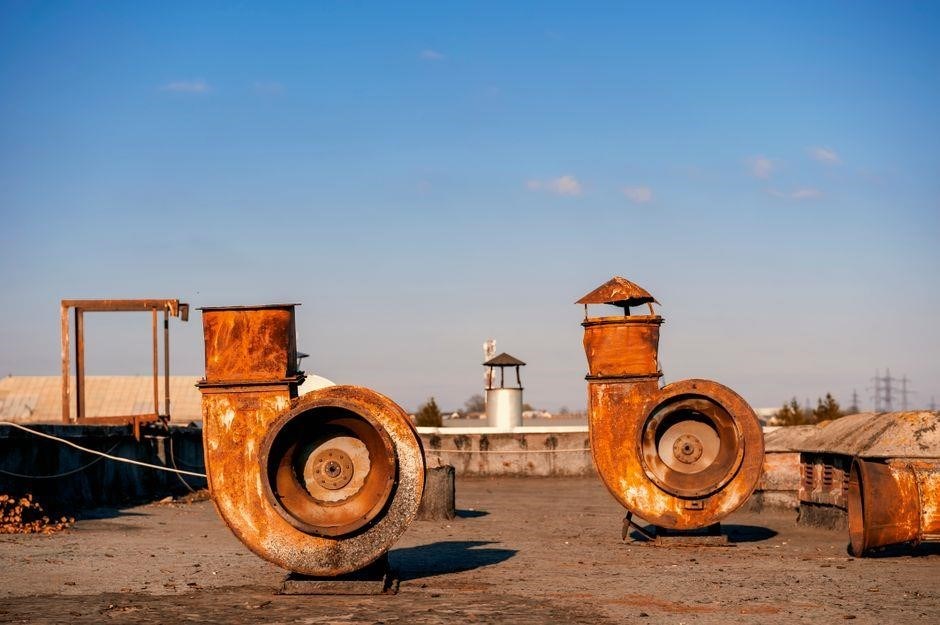
Effective ventilation mechanisms, as detailed within the manual, are central to achieving these quality standards by continuously exchanging indoor air with fresh outdoor air, thereby diluting accumulated indoor pollutants.
Furthermore, the manual provides protocols for filter maintenance and air purification component usage, ensuring the system actively removes particulates rather than merely circulating them.
Compliance with these standards is not just a matter of comfort but a critical aspect of public health, which the manual strongly emphasizes through its operational guidelines.
Technicians must use the manual to verify that air change rates meet local and international health guidelines, preventing the buildup of stale or contaminated air over extended occupancy periods.
This comprehensive approach integrates filtration, ventilation, and thermal control into a holistic air management strategy, as supported by general industry knowledge regarding HVAC functions.
The manual acts as the authoritative guide, translating broad health objectives into actionable, measurable, and verifiable maintenance and operational tasks for facility staff, ensuring sustained superior air quality throughout the building’s lifecycle and use.
Industry Context
HVAC Manual D reflects growing market trends toward energy efficiency and superior occupant health.
The industry demands compliance with rigorous standards, making this document vital for modern building operations and sustainability goals.
Market analysis shows increasing focus on integrated, high-performance climate control solutions globally.
HVAC Market Trends
HVAC Manual D documentation highlights several significant shifts within the global climate control sector.
One major trend involves the increasing integration of smart technologies, enabling predictive maintenance and optimized energy usage across diverse building types.
Furthermore, there is a pronounced global pivot towards sustainable and high-efficiency systems, driven by environmental regulations and corporate responsibility initiatives.
The market is seeing substantial growth in variable refrigerant flow (VRF) and geothermal solutions, moving away from traditional, less efficient setups.
HVAC Manual D serves as a critical reference point for understanding these evolving operational requirements and compliance needs within the industry landscape.
Demand for indoor air quality (IAQ) management, post-pandemic, has accelerated the adoption of advanced filtration and ventilation strategies, which are detailed within these technical guides.
Carrier and other industry leaders emphasize these transitions.
The market size analysis indicates robust expansion, fueled by both new construction and the retrofitting of existing infrastructure to meet modern comfort and ecological benchmarks.
Understanding these dynamics, as supported by HVAC Manual D, is essential for stakeholders navigating this dynamic and rapidly advancing technological field of climate control systems.