Category: Manuals

rug doctor mighty pro x3 instruction manual

Welcome to the Rug Doctor Mighty Pro X3 Instruction Manual. This guide provides comprehensive instructions for safe and effective use of your carpet cleaning machine. Proper use will ensure optimal performance and longevity. For best results, read this manual carefully before operation.

1.1 Purpose and Scope of the Manual

This manual serves as a comprehensive guide for the Rug Doctor Mighty Pro X3, detailing its safe and effective operation. It covers essential information, including assembly, usage, maintenance, and troubleshooting. Designed for both new and experienced users, the manual ensures optimal performance and longevity of the machine. By following the instructions, users can achieve professional-grade cleaning results while adhering to safety standards. This guide is organized into sections to address specific topics, providing clear and concise instructions for every aspect of the machine’s use and care.

1.2 Important Safety Precautions

Before using the Rug Doctor Mighty Pro X3, read and follow all safety guidelines to ensure safe operation. Keep the machine out of reach of children and pets. Avoid using the machine near open flames or sparks, and never leave it unattended while in operation. Use only genuine Rug Doctor accessories and cleaning solutions to prevent damage or hazards. Ensure the area is well-ventilated and avoid cleaning unsealed or water-sensitive surfaces. Always turn off and unplug the machine before performing maintenance or emptying tanks. Failure to follow safety precautions may result in injury or damage to the machine.

Product Overview

The Rug Doctor Mighty Pro X3 is a powerful, professional-grade carpet cleaning machine designed for deep cleaning carpets, upholstery, and hard-to-reach areas with ease and efficiency.

2.1 Key Features of the Rug Doctor Mighty Pro X3

The Rug Doctor Mighty Pro X3 is a professional-grade carpet cleaning machine designed for deep cleaning. It features a powerful motor, adjustable cleaning settings, and a large-capacity solution and recovery tank. The machine includes a long-range hose, dual brushes for effective agitation, and a lightweight, durable design for easy maneuverability. It also comes with a variety of cleaning tools for upholstery, stairs, and tight spaces. Its robust construction and advanced cleaning technology make it ideal for heavy-duty cleaning tasks, delivering professional results for both residential and commercial use.

2.2 Technical Specifications

The Rug Doctor Mighty Pro X3 has a powerful 12-amp motor and weighs approximately 46 lbs for easy mobility. It features a 3.9-gallon solution tank and a 2.9-gallon recovery tank. The machine operates on 120V AC power and includes a 25-foot power cord. The cleaning path width is 12.5 inches, and it comes with a 12-foot hose for extended reach. Built with durable materials, it is designed for heavy-duty use and includes dual rotating brushes for deep carpet agitation. The dimensions are 20.5 x 21 x 43 inches, making it suitable for both residential and commercial cleaning needs.

Assembly and Setup

This section guides you through assembling and setting up your Rug Doctor Mighty Pro X3. Follow step-by-step instructions for attaching handles, checking components, and ensuring proper assembly. Refer to diagrams for clarity and ensure all parts are securely fitted. Read all safety precautions before starting. Proper assembly ensures safe and effective operation.

3.1 Unpacking and Inventory of Components

Begin by carefully unpacking the Rug Doctor Mighty Pro X3 from its box. Ensure all components are included and undamaged. Check for the main machine, recovery tank, clean water tank, upholstery tool, crevice tool, and cleaning solution. Refer to the inventory list provided in the box. Verify that all items match the packaging checklist. If any parts are missing or damaged, contact customer support immediately. Familiarize yourself with each component’s purpose by reviewing the diagrams in this manual. Proper inventory ensures a smooth assembly process. Store all packaging materials safely in case of future needs.

3.2 Step-by-Step Assembly Instructions

Start by unpacking all components and placing them on a flat surface. Attach the handle to the main unit by aligning the clips and securing tightly. Next, connect the recovery tank by sliding it into the designated slot and ensuring it clicks into place. Attach the clean water tank similarly, making sure it is emptied before first use. Connect the upholstery and crevice tools to their respective storage holders. Finally, ensure all hoses and cables are securely fastened. Double-check that all components are properly aligned and tightened for safe operation. Refer to the diagrams in this manual for visual guidance if needed.

3.3 Preparing the Machine for First Use

Before first use, rinse the recovery and clean water tanks thoroughly with warm water. Ensure all connections are secure and free from leaks. Plug in the machine and allow it to power up. Prime the pump by depressing the trigger several times until solution flows freely. Add the recommended cleaning solution to the clean water tank, following the manufacturer’s instructions. Finally, test the machine on a small, inconspicuous area to ensure proper function. This preparation ensures optimal performance and prevents potential issues during your first cleaning session.

Operating the Machine

Operating the Rug Doctor Mighty Pro X3 involves understanding its controls, selecting the appropriate cleaning mode, and following guidelines for effective and safe carpet cleaning. Always refer to the control panel for mode selection and ensure proper technique to achieve the best results while maintaining machine efficiency and safety.

4.1 Understanding the Control Panel and Settings

The control panel of the Rug Doctor Mighty Pro X3 features intuitive buttons and indicators for easy operation. The power switch activates the machine, while the mode selector allows you to choose between cleaning, rinse, and dry settings. The LED indicators provide feedback on power status and tank levels. Familiarize yourself with each button and its function to optimize cleaning performance. Proper use of the control panel ensures efficient carpet cleaning and machine longevity. Always refer to this section for guidance on adjusting settings for different cleaning tasks.

4.2 Selecting the Right Cleaning Mode

Selecting the appropriate cleaning mode on the Rug Doctor Mighty Pro X3 is essential for effective cleaning. The machine offers three primary modes: Clean, Rinse, and Dry. The Clean mode is ideal for deep cleaning heavily soiled areas, while Rinse mode is used to remove detergent residue. Dry mode helps reduce drying time by extracting excess moisture. Choose the mode based on the type of stain and soil level. For light stains, Clean mode suffices, but for pet stains or high-traffic areas, use Clean followed by Rinse. Always refer to the machine’s settings to ensure optimal results for your cleaning task.

4.3 Using the Rug Doctor Mighty Pro X3 for Cleaning

Before cleaning, ensure the area is clear of furniture and loose items. Pre-treat stains if necessary. Fill the solution tank with Rug Doctor cleaning solution and water. For best results, use the machine in slow, overlapping passes. Work in sections, cleaning one area at a time. Use the appropriate cleaning mode for the task. For heavily soiled areas, repeat passes as needed. Avoid over-saturating the carpet. Use the built-in brush for agitation on stubborn stains. After cleaning, open windows to speed up drying. Regularly empty and rinse the recovery tank to maintain performance and prevent clogging.

4.4 Emptying and Cleaning the Recovery Tank

After each use, empty the recovery tank to prevent dirt and debris buildup. Turn off the machine and disconnect the tank. Carefully pour the contents into a drain. Avoid pouring into storm drains to protect the environment. Rinse the tank with warm water and mild detergent to remove residue. Dry thoroughly to prevent mold and odors. Reattach the tank securely to the machine before the next use. Regular cleaning ensures optimal performance and prevents clogs. Always wear gloves when handling the tank to maintain hygiene. Proper maintenance extends the lifespan of your Rug Doctor Mighty Pro X3.

Maintenance and Care

Regular maintenance ensures optimal performance and extends the life of your Rug Doctor Mighty Pro X3. Clean the exterior, check for blockages, and store the machine properly when not in use.

5.1 Regular Maintenance Tasks

To keep your Rug Doctor Mighty Pro X3 in top condition, perform regular maintenance. After each use, empty and rinse the recovery tank thoroughly. Clean the brush bar and vacuum hoses to remove debris. Check and replace worn or damaged belts. Regularly inspect and clean the filters to ensure proper airflow. Additionally, wipe down the exterior with a damp cloth to prevent dirt buildup. Always allow the machine to dry completely before storing it. Following these tasks will maintain performance and extend the lifespan of your cleaner.

5.2 Deep Cleaning and Sanitizing the Machine

For deep cleaning, mix 1 cup of white vinegar with 1 gallon of warm water. Pour the solution into the solution tank and run the machine without brushing to circulate the mixture. Drain and rinse both tanks thoroughly. Use a soft brush to clean the brushes and underside of the machine. Wipe all surfaces with a damp cloth. Allow the machine to air dry completely to prevent mold or odors. Regular deep cleaning ensures the machine remains hygienic and functions efficiently. This process should be done every 1-2 months or after heavy use.

5.3 Storing the Machine Properly

Before storing, ensure the machine is clean and dry. Empty and rinse both tanks thoroughly to prevent mold or bacteria growth. Wipe down all surfaces with a damp cloth and allow the machine to air dry. Store in a cool, dry place away from direct sunlight. Avoid exposing the machine to extreme temperatures or humidity. Cover the machine to protect it from dust. Check belts and hoses for damage before storage. Regular inspections during storage can prevent wear and tear. Proper storage ensures the Rug Doctor Mighty Pro X3 remains in good condition for future use.

Troubleshooting Common Issues

This section helps identify and resolve common issues with the Rug Doctor Mighty Pro X3, ensuring optimal performance. Check for blockages and proper machine setup.

6.1 Identifying and Resolving Common Problems

Common issues with the Rug Doctor Mighty Pro X3 include low suction, machine not turning on, or water leakage. Check for blockages in hoses or nozzles and ensure the recovery tank is empty. If the machine doesn’t power on, verify the power cord connection or check the circuit breaker. For leaks, inspect hoses and connections for damage or loose fittings. If cleaning solution isn’t dispensing, ensure the tank is filled and the solution switch is activated. Strange noises may indicate debris in the machine or misaligned parts. Refer to the troubleshooting chart in the appendix for detailed solutions.

Safety Guidelines

Always follow safety guidelines to ensure safe operation. Use the machine only for its intended purpose and keep it out of children’s reach. Ensure the machine is placed on a stable, level surface and avoid overheating. Never leave the machine unattended while in use, and ensure all connections are secure to prevent leaks or electrical issues.

7.1 General Safety Tips for Operation

Always read this manual thoroughly before using the Rug Doctor Mighty Pro X3. Wear protective gloves and eyewear during operation. Ensure proper ventilation in the cleaning area and avoid using the machine near open flames or sparks. Keep the machine away from water and avoid overloading it with excess cleaning solution. Never leave the machine unattended while in use. Keep children and pets away during operation. Test the machine on a small, inconspicuous area first to ensure compatibility with the surface being cleaned. Follow all safety guidelines to ensure safe and effective cleaning.

7.2 Handling and Storage Safety

Always handle the Rug Doctor Mighty Pro X3 with care to avoid damage. Store the machine in a dry, cool place away from direct sunlight; Ensure the recovery tank is emptied and cleaned before storage. Avoid stacking heavy objects on the machine. When transporting, secure the machine to prevent movement. Keep the power cord wrapped neatly to avoid tangles or damage. Store cleaning solutions separately in well-ventilated areas. Follow these guidelines to maintain the machine’s condition and ensure safety during handling and storage. Proper storage extends the lifespan and performance of the machine.

Congratulations on completing the Rug Doctor Mighty Pro X3 Instruction Manual! You are now equipped with the knowledge to operate, maintain, and troubleshoot your machine effectively. By following the guidelines outlined in this manual, you will achieve professional-grade cleaning results while ensuring the longevity of your equipment. Remember to always prioritize safety, perform regular maintenance, and store the machine properly. If you have any further questions, refer back to the relevant sections. Happy cleaning with your Rug Doctor Mighty Pro X3!

Appendix

This appendix provides additional resources, troubleshooting guides, and warranty information for your Rug Doctor Mighty Pro X3. Refer here for further assistance and support details.

9.1 Additional Resources and Support

For further assistance, visit the official Rug Doctor website for user manuals, troubleshooting guides, and FAQs. Contact customer support at 1-800-RUG-DOCTOR or via email at support@rugdoctor.com. Online resources include video tutorials and maintenance tips. Refer to the warranty booklet for service center locations and repair options. Additional support materials, such as cleaning solution guides and replacement part catalogs, are available on the Rug Doctor website.

9.2 Warranty Information

Your Rug Doctor Mighty Pro X3 is backed by a limited warranty covering manufacturing defects in materials and workmanship. The warranty period varies by component, with most parts covered for up to 5 years from the date of purchase. For details, refer to the warranty booklet included with your machine. To make a claim, contact Rug Doctor customer service at 1-800-RUG-DOCTOR or visit www.rugdoctor.com/support. Proof of purchase is required. Warranty does not cover damage caused by misuse, neglect, or normal wear and tear.

jazzy power chair repair manual

Welcome to the Jazzy Power Chair Repair Manual․ This guide provides essential information for maintaining‚ troubleshooting‚ and repairing your power chair․ Regular maintenance ensures optimal performance‚ safety‚ and longevity․

1․1․ Purpose of the Manual

This manual is designed to provide comprehensive guidance for maintaining‚ troubleshooting‚ and repairing your Jazzy Power Chair․ It serves as a detailed resource for both new and experienced users‚ ensuring optimal performance and safety․ The manual covers essential procedures‚ safety precautions‚ and troubleshooting techniques to help you address common issues effectively․ By following the instructions outlined in this guide‚ you can extend the lifespan of your power chair‚ maintain its reliability‚ and ensure a safe operating experience․ Regular use of this manual will empower you to handle repairs and maintenance with confidence․

1․2․ Importance of Proper Maintenance

Proper maintenance is crucial for ensuring the longevity and reliability of your Jazzy Power Chair․ Regular checks and timely repairs prevent unexpected breakdowns and enhance safety․ A well-maintained chair reduces wear and tear‚ lowers repair costs‚ and ensures consistent performance․ Neglecting maintenance can lead to premature component failure‚ compromising both functionality and user safety․ By prioritizing maintenance‚ you can enjoy a smooth‚ trouble-free experience and extend the lifespan of your power chair․ Consistent upkeep is essential for maximizing its efficiency and reliability over time․

1․3․ Safety Precautions

Always follow safety guidelines when working on your Jazzy Power Chair to avoid injuries and damage․ Turn off the power and disconnect the battery before starting any repairs․ Wear protective gear‚ including gloves and safety glasses․ Ensure the chair is stable and on a level surface․ Never test drive the chair until all repairs are complete and verified․ Keep loose clothing and long hair tied back to avoid entanglement․ Follow proper lifting techniques to prevent strain․ Consult the manual or a professional if unsure about any procedure․ Safety should always be your top priority․

Understanding Your Jazzy Power Chair

Understanding your Jazzy Power Chair is essential for optimizing its performance and personalizing its features․ Familiarize yourself with its design‚ functionality‚ and customizable options to enhance your experience․

2․1․ Key Components and Features

The Jazzy Power Chair features a durable base‚ adjustable seat‚ and folding footplate for convenience․ Key components include the joystick controller‚ battery pack‚ and motorized wheels․ The chair is equipped with programmable settings‚ adjustable armrests‚ and a sturdy braking system․ Advanced models include LED displays and customizable driving modes․ Understanding these components and features ensures proper operation and customization to meet individual needs․ Regular inspection of these parts is crucial for maintaining performance and safety․ Familiarizing yourself with their functions enhances your overall experience․

2․2․ Model-Specific Details

Jazzy Power Chairs vary by model‚ with distinct features tailored to user needs․ The Jazzy Select offers compact design‚ while the Jazzy Passport is lightweight and foldable․ Higher-end models like the Jazzy Elite include advanced suspension and larger wheels for rough terrain․ Each model has unique specifications‚ such as maximum speed‚ range‚ and weight capacity․ Understanding your specific model’s details is crucial for proper maintenance and repair․ Always refer to the owner’s manual or manufacturer’s resources for precise information about your chair’s capabilities and requirements․ This ensures optimal performance and safety․

2․3․ Tools and Equipment Needed

Proper tools are essential for maintaining and repairing your Jazzy Power Chair․ Common tools include a socket set‚ wrenches‚ screwdrivers‚ and a multimeter for electrical diagnostics․ A torque wrench is useful for tightening bolts to the correct specification․ For electrical work‚ insulated gloves and safety goggles are recommended․ A work stand or lift can aid in accessing hard-to-reach components․ Additionally‚ a battery tester and circuit tester are crucial for diagnosing electrical issues․ Always ensure tools are compatible with your chair’s specifications to avoid damage․ Consult your owner’s manual for model-specific tool recommendations․

Common Issues and Troubleshooting

This section guides users through identifying and resolving frequent issues with their Jazzy Power Chair‚ including error codes‚ battery problems‚ and mobility challenges․

3․1․ Identifying Common Problems

Common issues with Jazzy Power Chairs include battery drain‚ slow movement‚ and joystick malfunctions․ Battery problems may stem from improper charging or worn-out cells․ Slow operation could indicate faulty motors or obstructed wheels․ Joystick issues often arise from wiring problems or calibration errors․ Understanding these symptoms helps in pinpointing the root cause․ Regular inspection of components like tires‚ brakes‚ and electrical connections is crucial for early detection․ Addressing these problems promptly ensures optimal performance and safety․

3․2․ Error Codes and Their Meanings

Jazzy Power Chairs display error codes to help diagnose issues․ E1 indicates a battery fault; check connections and charge levels․ E2 signals a motor malfunction; inspect for blockages․ E3 points to a control system problem; restart or reset the joystick․ E4 suggests a communication error between components․ E5 indicates a brake issue; ensure brakes are disengaged․ Understanding these codes aids in quick troubleshooting․ Always refer to the manual or contact support for unresolved problems․

3․3․ Basic Diagnostic Techniques

Begin diagnostics by visually inspecting the chair for visible damage or wear․ Check error codes on the display and refer to the manual for meanings․ Test the joystick and controls to ensure proper function․ Inspect battery connections for tightness and corrosion․ Verify tire inflation and brake engagement․ Use a multimeter to test electrical connections if necessary․ Isolate issues by testing individual components‚ such as the motor or control system․ Always follow safety guidelines and consult the manual for specific procedures․ If unsure‚ contact a certified technician for assistance․

Electrical System Repair

This section covers essential steps for repairing electrical components‚ including the battery‚ motor‚ and control systems․ Identify faulty connections and address worn-out parts promptly․ Always disconnect the battery before starting repairs to ensure safety․ Use appropriate tools and follow proper procedures to avoid further damage․ If unsure‚ consult a professional technician for assistance․ Regular maintenance of electrical systems is crucial for optimal performance and longevity of your Jazzy Power Chair․

4․1․ Battery Maintenance and Replacement

Regular maintenance of your Jazzy Power Chair’s battery is crucial for optimal performance․ Charge the battery fully after each use and avoid deep discharges․ Clean terminals with a wire brush to prevent corrosion․ For deep-cycle batteries‚ check water levels monthly and refill as needed․ Store the chair in a cool‚ dry place when not in use․ Replace the battery every 2-3 years or when capacity drops significantly․ Always disconnect the battery before performing repairs․ Use only compatible replacement batteries to ensure safety and functionality․

4․2․ Motor Repair and Replacement

Regular inspection of the motor is essential to ensure smooth operation․ Check for unusual noises‚ vibrations‚ or reduced power‚ which may indicate wear or misalignment․ Clean the motor housing and vents to prevent overheating․ If the motor fails‚ disconnect the power and remove the motor assembly․ Replace it with a compatible motor‚ ensuring proper alignment and secure mounting․ Reconnect the wiring and test the chair at low speed․ Always refer to the manufacturer’s specifications for replacement parts․ Proper maintenance and timely replacement will extend the lifespan of your Jazzy Power Chair’s motor․

4․3․ Joystick and Control System Issues

Joystick and control system problems can affect the chair’s responsiveness․ Common issues include erratic movement‚ sticking joysticks‚ or loss of connectivity․ First‚ inspect the joystick for debris or wear․ Clean the area and ensure all connections are secure․ If the issue persists‚ recalibrate the joystick by following the manufacturer’s instructions․ In severe cases‚ the joystick or control module may need replacement․ Always test the chair at low speed after repairs․ If unfamiliar with the process‚ consult a professional technician to avoid further damage or safety risks․ Proper diagnosis is key to resolving control system malfunctions effectively․

Mechanical System Repair

Mechanical system repair involves maintaining the chair’s physical components for optimal stability and safety․ Regular inspection of the frame‚ wheels‚ and brakes ensures smooth operation and prevents wear․

5․1․ Frame and Chassis Inspection

Regular inspection of the frame and chassis is crucial for ensuring the structural integrity of your Jazzy Power Chair․ Start by visually examining the frame for any signs of damage‚ such as cracks‚ dents‚ or rust․ Check the chassis for alignment and tighten any loose bolts or screws․ Clean the area to remove dirt or debris that may interfere with moving parts․ If you notice any significant damage‚ consult a professional for repairs to prevent further issues and ensure safety․

  • Inspect for cracks‚ dents‚ or rust․
  • Check chassis alignment and tighten bolts․
  • Clean the frame and chassis regularly․
  • Seek professional help for major damage․

5․2․ Wheel and Tire Replacement

Replacing the wheels and tires of your Jazzy Power Chair is essential for maintaining mobility and safety․ Begin by loosening the lug nuts with a wrench before fully removing the wheels․ Inspect the hub and axle for debris or damage․ Install the new wheels‚ ensuring they are securely fastened․ Tighten the lug nuts in a star pattern to avoid uneven pressure․ Finally‚ check the tire pressure and ensure proper alignment․ Regularly replacing worn tires can prevent uneven wear and improve the chair’s overall performance․

  • Loosen lug nuts before removal․
  • Inspect the hub and axle for damage․
  • Securely fasten new wheels․
  • Check tire pressure and alignment․

5․3․ Brake System Adjustment and Repair

Properly maintaining the brake system of your Jazzy Power Chair is crucial for safety and control․ Begin by ensuring the chair is on a level surface and powered off; Inspect the brake pads for wear and the cables for fraying or damage․ Adjust the cable tension by loosening the nuts and tightening the adjustment barrel until the brakes engage firmly․ Lubricate moving parts to ensure smooth operation․ If the brakes fail to engage‚ consult the manual for recalibration instructions․ Regular maintenance prevents unexpected issues and ensures reliable braking performance․

  • Inspect brake pads and cables for wear․
  • Adjust cable tension for proper engagement․
  • Lubricate moving parts for smooth operation․
  • Consult the manual for recalibration if needed․

Software and Firmware Updates

This section guides you through updating your Jazzy Power Chair’s software and firmware‚ ensuring optimal performance‚ security‚ and access to the latest features and improvements․

6․1․ Checking for Firmware Updates

To ensure your Jazzy Power Chair operates at peak performance‚ regularly check for firmware updates․ Connect the chair to your computer using the provided diagnostic cable․ Open the manufacturer’s software and navigate to the “Updates” section․ Select “Check for Updates” and follow the on-screen instructions․ If an update is available‚ download and install it carefully․ Always use a stable internet connection and avoid interrupting the process․ Updating firmware enhances functionality‚ fixes bugs‚ and improves overall chair performance․

6․2․ Updating the Control System

Updating the control system of your Jazzy Power Chair is essential for optimal performance․ Begin by turning off the chair and connecting it to a computer via the diagnostic cable․ Open the manufacturer’s software and select the “Update Control System” option․ Follow the on-screen instructions to download and install the latest version․ Ensure the chair remains connected throughout the process․ Once complete‚ restart the chair to apply the updates․ Always refer to the user manual for specific instructions‚ and consult a professional if issues arise during the update process․

6․3․ Resetting the System

Resetting the system on your Jazzy Power Chair can resolve software-related issues․ To reset‚ turn off the chair and locate the reset button‚ typically found near the control panel․ Press and hold the reset button for 10 seconds while turning the chair back on․ Release the button and allow the system to reboot․ This process restores factory settings without affecting custom configurations․ If issues persist after resetting‚ consult the user manual or contact a certified technician for further assistance․

Preventative Maintenance

Regular maintenance is essential to ensure your Jazzy Power Chair operates efficiently and safely․ Routine inspections‚ cleaning‚ and lubrication of moving parts help extend its functionality and longevity․

7․1․ Regular Cleaning and Inspection

Regular cleaning and inspection are crucial for maintaining your Jazzy Power Chair’s performance․ Use a soft cloth to wipe down the frame‚ seat‚ and armrests‚ removing dirt and debris․ Inspect tires and wheels for wear and tear‚ ensuring proper inflation․ Check all bolts and screws for tightness and lubricate moving parts periodically․ Look for signs of damage or corrosion on electrical components․ A well-maintained chair ensures reliability‚ safety‚ and longevity․ Schedule regular inspections to catch potential issues before they escalate․

7․2․ Lubrication of Moving Parts

Proper lubrication of moving parts is essential for smooth operation and longevity․ Apply a silicone-based lubricant to joints‚ hinges‚ and wheel axles every 3-6 months․ Avoid using oil or grease‚ as they attract dirt․ Wipe off excess lubricant with a clean cloth to prevent residue buildup․ Ensure all moving components are well-lubricated to reduce friction and wear․ Regular lubrication prevents squeaks‚ stiffness‚ and premature wear of parts․ This simple maintenance step can significantly extend the life of your Jazzy Power Chair․ Always refer to the manufacturer’s recommendations for specific lubrication needs․

7․3․ Storage and Transportation Tips

Proper storage and transportation of your Jazzy Power Chair are crucial for maintaining its condition․ Store the chair in a dry‚ clean environment‚ away from direct sunlight and moisture․ When transporting‚ ensure the chair is securely fastened to prevent movement or damage․ Use a vehicle with adequate space or a wheelchair-accessible ramp․ Disconnect the battery before long-term storage to prevent drain․ Always follow the manufacturer’s guidelines for storage and transportation to ensure safety and longevity․ Regular checks before and after transportation can help identify potential issues early․

Advanced Repair Techniques

This section covers specialized repair methods for complex issues‚ including soldering‚ wiring‚ and electronic component replacement‚ requiring advanced technical expertise and precision tools for successful outcomes․

8․1․ Soldering and Wiring Repairs

Soldering and wiring repairs require precision and care to ensure proper connectivity and functionality․ Begin by identifying damaged or frayed wires‚ which can cause electrical issues․ Use a soldering iron and appropriate solder to repair or replace faulty connections․ Always disconnect the power source and wear protective gear․ For complex wiring problems‚ consult the schematic diagram to trace and resolve faults․ Regularly inspect wiring harnesses for signs of wear and tear․ Proper soldering techniques prevent overheating and ensure reliable electrical flow․ Testing the system post-repair is crucial to confirm functionality․

8․2․ Replacing Electronic Components

Replacing electronic components in your Jazzy power chair requires careful attention to detail to ensure proper functionality․ Always disconnect the battery before starting any repair․ Use a soldering iron or wiring connectors to remove and replace faulty components‚ such as controllers‚ sensors‚ or fuses․ Ensure replacements are compatible with your chair’s specifications․ Consult the chair’s schematic diagram for accurate identification of components․ After replacement‚ reconnect the battery and test the system to verify functionality․ Improper replacement can lead to malfunctions or safety hazards‚ so proceed with caution․

8․3․ Advanced Diagnostic Tools

Advanced diagnostic tools are essential for identifying complex issues in your Jazzy power chair․ Use a multimeter to test electrical circuits and connectors for voltage and resistance․ Firmware update software can detect and resolve control system glitches․ Additionally‚ diagnostic meters specific to your chair’s model can provide detailed error codes and system status․ Always follow safety guidelines when using these tools‚ such as disconnecting the battery before testing․ Refer to the chair’s manual or manufacturer resources for specific instructions․ If unsure‚ consult a professional technician․ Regular use of these tools ensures optimal performance and longevity․

Thank you for using the Jazzy Power Chair Repair Manual․ Proper maintenance ensures reliability and safety․ Follow the guide to extend your chair’s lifespan and performance․ For further assistance‚ contact authorized support․

9․1․ Summary of Key Points

This manual has covered essential aspects of Jazzy Power Chair maintenance‚ troubleshooting‚ and repair․ By following the outlined steps‚ users can ensure optimal performance and safety․ Regular inspections‚ proper battery care‚ and timely repairs are crucial for longevity․ Always refer to manufacturer guidelines and use appropriate tools․ Remember to prioritize safety precautions to avoid accidents․ For complex issues‚ consulting a professional is recommended․ Adhering to these practices will help maintain your chair’s functionality and reliability over time․

9․2․ Final Tips for Longevity

To extend the life of your Jazzy Power Chair‚ always store it in a dry‚ cool place and avoid extreme temperatures․ Regularly clean the chair to prevent dirt buildup․ Check tire pressure monthly and ensure proper lubrication of moving parts․ Follow the manufacturer’s guidelines for battery charging and discharging․ Keep a maintenance log to track repairs and inspections․ Avoid overloading the chair beyond its weight capacity․ By adhering to these practices‚ you can ensure your power chair remains reliable and functional for years to come․

9․3․ Resources for Further Assistance

For additional support‚ refer to the official Jazzy Power Chair website or consult the user manual․ Contact authorized dealers or service centers for professional assistance․ Visit online forums or support groups for shared experiences and advice․ Reach out to customer service for technical inquiries or spare parts․ Utilize diagnostic tools and repair guides available on trusted mobility websites․ Remember‚ proper maintenance and timely repairs are key to extending the life of your power chair․ Always seek professional help when unsure about complex repairs․

canon fl lens manual

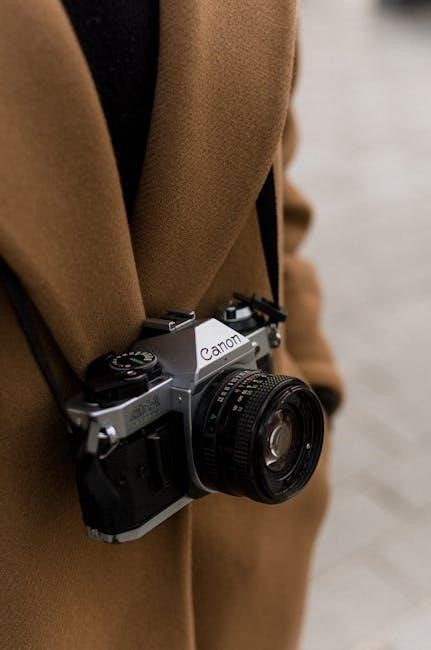
The Canon FL lens series‚ introduced in 1964‚ offers exceptional optical quality and manual focusing precision‚ making them a favorite among photographers seeking creative control and timeless results.

Canon FL lenses‚ introduced in 1964‚ are renowned for their optical quality‚ manual focusing precision‚ and compatibility with early Canon cameras‚ offering timeless photography capabilities.

1.1 What Are Canon FL Lenses?

Canon FL lenses are a series of manual-focus lenses introduced in 1964‚ designed for use with Canon’s FL-mount cameras. These lenses are known for their high optical quality‚ durable construction‚ and precise manual focusing mechanism. They were part of Canon’s transition to more advanced lens designs‚ offering improved performance for photography enthusiasts and professionals. The FL series includes a range of focal lengths and apertures‚ from wide-angle to telephoto‚ catering to various photographic needs. Their manual operation and classic design have made them a favorite among collectors and photographers who appreciate the tactile experience of older optics. These lenses remain compatible with modern cameras using adapters‚ ensuring their legacy endures in contemporary photography.

1.2 Significance of the FL Lens Series

The Canon FL lens series holds a special place in photography history‚ offering exceptional optical quality‚ durability‚ and a timeless design. These lenses were pivotal in Canon’s transition to more advanced lens mounts‚ bridging the gap between earlier models and the FD series. Their manual operation and precise aperture control appealed to enthusiasts and professionals alike. The FL series also laid the groundwork for future lens innovations‚ making them highly collectible today. Their compatibility with modern cameras via adapters ensures their legacy endures‚ providing photographers with a unique blend of classic aesthetics and functional performance in contemporary settings.

1.3 Brief History and Evolution

The Canon FL lens series was introduced in 1964‚ marking a significant step in Canon’s lens development. Designed for use with Canon’s FX and FP cameras‚ these lenses featured a new lens mount system‚ enhancing compatibility and performance. The FL series was known for its high-quality optics and robust construction‚ appealing to both professionals and enthusiasts; Over time‚ the series evolved‚ with notable models like the FL 50mm f/1.4 II‚ released in May 1968‚ showcasing improved optical designs. The FL mount eventually transitioned to the FD mount‚ paving the way for future innovations while maintaining the legacy of the FL series.

History and Development of FL Lenses

The FL lens series was introduced by Canon in 1964‚ marking a pivotal moment in the company’s lens innovation. These lenses were designed to complement the FX and FP cameras‚ featuring a new lens mount system that improved functionality and compatibility. The FL series gained popularity for its robust construction and optical excellence‚ catering to both professional photographers and enthusiasts. Over the years‚ the FL mount underwent significant developments‚ leading to the introduction of the FD mount in later models. This evolution ensured that the FL series remained relevant‚ adapting to advancements in camera technology while maintaining its reputation for quality and reliability.

The FL mount system was introduced in 1964‚ enhancing functionality and compatibility with Canon cameras. It later evolved into the FD mount‚ ensuring continued relevance and quality.

The FL mount system was introduced by Canon in 1964‚ marking a significant advancement in lens design and functionality. It replaced the earlier Canonflex mount‚ offering improved compatibility and ease of use. The FL system featured a flange focal distance of 42mm‚ ensuring optimal performance with Canon’s growing range of cameras. Known for its manual focusing mechanism‚ the FL mount emphasized precise control over focus and aperture settings. This system also introduced the stop-down metering method‚ where the aperture blades closed to measure light accurately. The FL mount laid the groundwork for future Canon lens innovations‚ blending optical excellence with practical design.

2.2 Evolution from FL to FD Mount

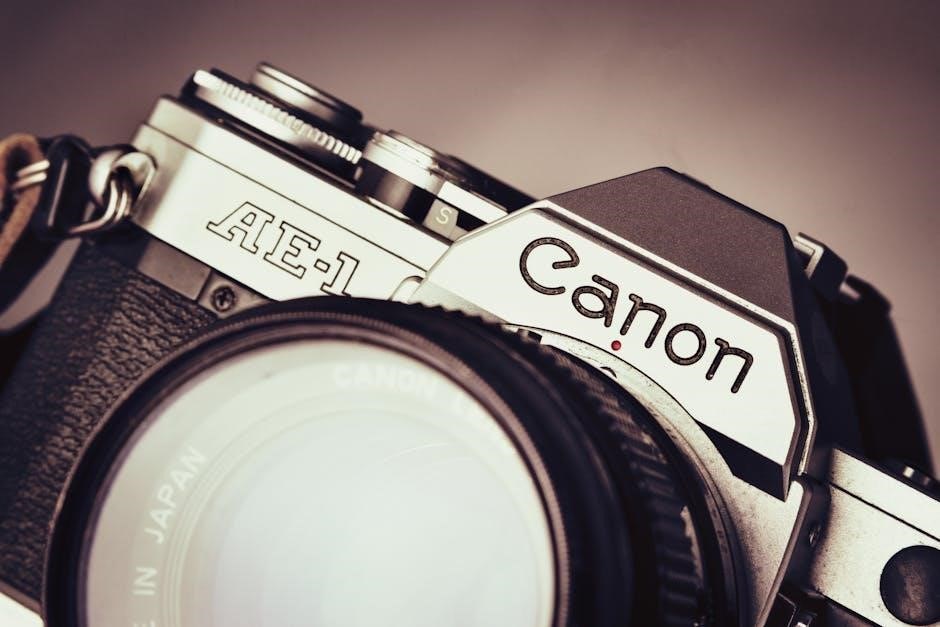
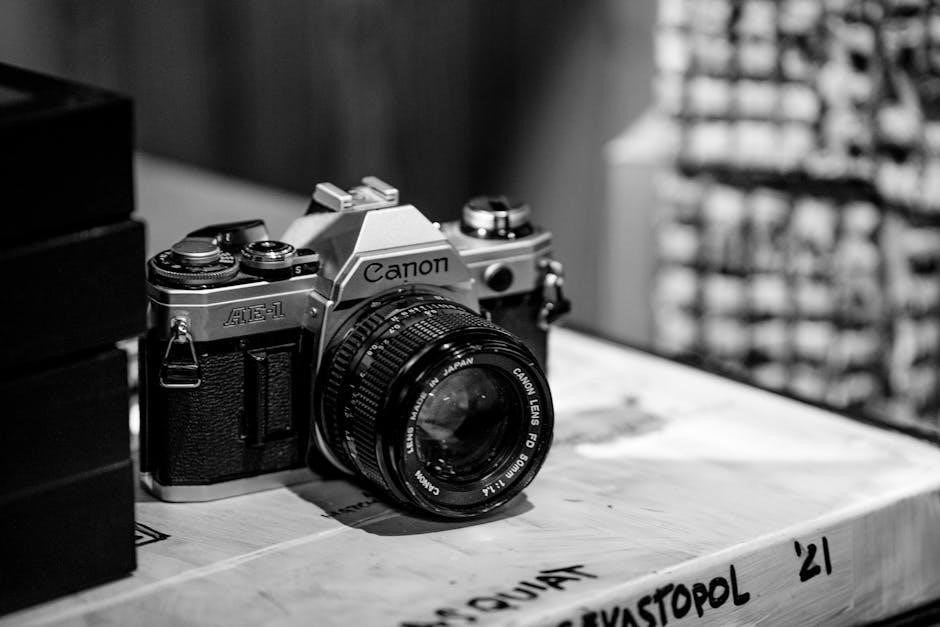
The FL mount system evolved into the FD mount in the early 1970s‚ marking a significant upgrade in lens technology. The FD mount introduced full-aperture metering‚ allowing for more accurate light measurement without stopping down the aperture. This innovation enhanced compatibility with Canon’s growing lineup of cameras‚ such as the iconic AE-1 and A-1. The FD system also improved focusing mechanisms and optical performance‚ setting the stage for future lens designs. While the FL mount laid the foundation‚ the FD mount brought Canon into the era of electronic controls and automatic features‚ making it a pivotal step in the company’s lens development.

2.3 Notable FL Lens Models and Their Release Dates

The FL series includes several standout lenses‚ such as the FL 50mm f/1.4 II‚ released in 1968‚ known for its bright aperture and sharpness. The FL 35mm f/2.5‚ introduced in 1965‚ is celebrated for its wide-angle versatility. The FL 100mm f/3.5‚ launched in 1964‚ excels in portrait photography. Additionally‚ the FL 58mm f/1.2‚ debuting in 1966‚ became popular for its low-light performance. These lenses were pivotal in establishing the FL series’ reputation for quality and reliability‚ offering photographers diverse options across various focal lengths and applications.

Key Features of Canon FL Lenses

Canon FL lenses are renowned for their exceptional optical design‚ featuring high-quality glass elements that deliver crisp images with minimal distortion. The aperture mechanism offers precise control‚ though some models are prone to oily blades over time. manual focusing is smooth and intuitive‚ with a responsive focusing ring. These lenses are compatible with various Canon cameras‚ including older models‚ making them versatile for photographers. Their compact and durable build ensures longevity‚ while the manual operation provides a tactile shooting experience. Despite some common maintenance needs‚ FL lenses remain a popular choice for photographers seeking timeless optical excellence and creative control.

Canon FL lenses boast exceptional optical quality‚ manual focusing precision‚ and a durable build. Their aperture mechanisms‚ while prone to oily blades‚ offer precise control. Compatible with older cameras‚ they provide a tactile shooting experience‚ making them a timeless choice for photographers seeking creative control and optical excellence.

3.1 Optical Design and Construction

Canon FL lenses are renowned for their robust optical design and precise construction. Featuring varying configurations‚ such as five elements in four groups or seven elements in six groups‚ these lenses deliver sharpness and contrast. High-quality glass and advanced coatings minimize aberrations and flare‚ ensuring vibrant imagery. The FL series‚ including models like the FL 50mm f/1.4 II and FL 35mm f/2.5‚ showcases Canon’s commitment to optical excellence. While designs evolved‚ the focus remained on producing lenses that balance portability with performance‚ making them adaptable for use on modern cameras while retaining their classic appeal.

3.2 Aperture Mechanism and Speed

The aperture mechanism in Canon FL lenses is designed for durability and precision‚ with a focus on smooth operation and consistent performance. These lenses feature a manual aperture control system‚ allowing photographers to adjust settings with ease. The FL series includes lenses with apertures ranging from f/1.2 to f/5.6‚ providing flexibility for various lighting conditions. The aperture mechanism incorporates a preset ring for manual adjustments‚ ensuring compatibility with both automatic and manual modes. Over time‚ some users have reported issues with aperture blades sticking due to oil buildup‚ emphasizing the need for regular maintenance to maintain optimal functionality and image quality.

3.3 Focusing Mechanism and Manual Focus Operation

The focusing mechanism in Canon FL lenses is designed for smooth and precise manual operation‚ ensuring sharp images. The ergonomic focusing ring allows for intuitive control‚ making it ideal for photographers who prefer manual adjustments. The mechanism is engineered to provide accurate focus across the frame‚ contributing to the lens’s overall optical performance. This feature is particularly valued by those who enjoy traditional photography methods‚ offering a sense of reliability and creative control. The FL series remains popular among enthusiasts due to its focus accuracy and compatibility with various Canon cameras‚ making it a timeless choice for many photographers.

3.4 Compatibility with Canon Cameras

Canon FL lenses are designed to work seamlessly with a range of Canon cameras‚ particularly those from the 1960s and 1970s. The FL mount system ensures compatibility with older film SLR models‚ while adapters enable use on modern DSLR and mirrorless cameras. This versatility allows photographers to leverage the unique optical qualities of FL lenses across generations of equipment. Whether shooting with classic film cameras or contemporary digital bodies‚ FL lenses maintain their functionality‚ making them a versatile choice for enthusiasts and collectors alike. Proper mounting and adapter use are essential to preserve lens performance and camera compatibility.

Using Canon FL Lenses: A Practical Guide

Mastering the use of Canon FL lenses involves understanding their manual operation and compatibility with various camera systems. Mounting and demounting the lens requires care to avoid damage to the FL mount. Aperture and shutter speed adjustments are manual‚ allowing precise control over exposure. Focusing is done manually‚ emphasizing technique and patience. While originally designed for film SLRs‚ adapters enable use on modern DSLR and mirrorless cameras‚ expanding their versatility. Proper handling and setup ensure optimal performance‚ making FL lenses a rewarding choice for photographers seeking a hands-on‚ creative experience.

Mount the lens carefully‚ ensuring proper alignment. Use the aperture ring for precise exposure control. Focus smoothly using the manual ring. Compatible with modern cameras via adapters.

4.1 Mounting and Demounting the Lens

To mount a Canon FL lens‚ align the red dot on the lens with the red dot on the camera body. Gently twist the lens clockwise until it clicks into place. For demounting‚ press the lens release button while turning the lens counterclockwise. Ensure the camera is set to manual mode for proper operation. Always handle the lens by the barrel to avoid damaging the mount. Use a soft cloth to protect the lens elements during mounting and demounting. Proper alignment and careful handling ensure optimal performance and longevity of the lens and camera system.

4.2 Understanding Aperture and Shutter Speed

Aperture and shutter speed are fundamental for controlling exposure with Canon FL lenses. Aperture‚ adjusted via the lens ring‚ regulates light entry‚ with smaller f-stops (e.g.‚ f/1.4) allowing more light and creating shallow depth of field. Shutter speed‚ set on the camera‚ controls exposure duration‚ with faster speeds freezing motion and slower speeds blurring it. For manual operation‚ use the lens’s aperture preview button to preview depth of field. Balancing these settings is key for achieving desired creative effects‚ whether capturing sharp portraits or dynamic action shots.

4.3 Mastering Manual Focusing Techniques

Mastering manual focusing with Canon FL lenses requires practice and precision. The smooth‚ tactile focus ring allows for fine adjustments‚ enabling precise control over your subject’s sharpness. Use the camera’s viewfinder for accurate focus confirmation‚ leveraging the microprism or split-screen focusing aids. Techniques like pre-focusing and using the depth of field preview button can enhance your workflow. Experiment with different focusing styles to achieve the desired sharpness and artistic effect. Regular practice will refine your skills‚ ensuring consistently sharp images and unlocking the full creative potential of your FL lenses.

4.4 Using FL Lenses on Modern DSLR and Mirrorless Cameras

Canon FL lenses can be adapted to modern DSLR and mirrorless cameras using compatible mounts or adapters‚ preserving their optical excellence. While they lack autofocus‚ the manual focus mechanism provides precise control‚ ideal for creative shooting. Stop-down metering is often required‚ as modern cameras may not communicate with the lens’s aperture mechanism. Adapters like the EF or RF mounts enable compatibility‚ though functionality may vary. The FL 55mm f/1.2 and FL 35mm f/2.5 are popular choices for their unique bokeh and sharpness. Experimenting with these lenses on digital cameras offers a blend of vintage optics and modern technology‚ yielding distinctive results.

Maintenance and Care of FL Lenses

Proper maintenance ensures the longevity and performance of Canon FL lenses. Regularly clean the lens elements with a soft‚ dry cloth to prevent dust buildup. For stubborn smudges‚ use a microfiber cloth and lens cleaning solution. Lubricate the focusing and aperture mechanisms sparingly to maintain smooth operation. Store lenses in a cool‚ dry place‚ away from direct sunlight‚ using silica gel packets to prevent moisture. Avoid excessive disassembly and handle the glass with care to prevent scratches. Regularly inspect for fungus or oil leakage‚ addressing issues promptly to preserve optical clarity and functionality.

Regularly clean FL lenses with a microfiber cloth and lens cleaning tissue to prevent smudges. Lubricate focusing mechanisms lightly to ensure smooth operation. Store lenses in a dry‚ cool environment to avoid moisture damage and fungus growth.

5.1 Cleaning the Lens Elements

Cleaning Canon FL lenses requires care to maintain optical clarity. Use a soft‚ dry microfiber cloth to gently wipe away dust and smudges from the lens surface. For stubborn marks‚ lightly dampen the cloth with distilled water or specialized lens cleaning solution‚ avoiding harsh chemicals. Never touch the lens elements with your fingers‚ as oils can leave residue. Avoid using tissues or paper products that may scratch the glass. Regular cleaning prevents fungus growth and ensures sharp images. For aperture blades‚ use compressed air to remove dust‚ and avoid lubricating unless necessary‚ as excess oil can attract debris.

5.2 Lubricating the Focusing and Aperture Mechanisms

Lubricating the focusing and aperture mechanisms of Canon FL lenses requires precision to maintain smooth operation. Use a high-quality‚ lightweight grease or silicone-based lubricant specifically designed for camera mechanisms. Apply a small amount to the gears or moving parts‚ ensuring no excess seeps onto the lens elements or interior components. Avoid petroleum-based products‚ as they can degrade synthetic materials. After lubrication‚ manually cycle the aperture and focus ring several times to distribute the grease evenly. Over-lubrication can attract dust and impair functionality‚ so use sparingly for optimal performance and longevity of your FL lenses.

5.3 Storing the Lens Properly

Proper storage is essential to preserve the condition and functionality of your Canon FL lenses. Always store the lens in a cool‚ dry place‚ away from direct sunlight and humidity. Use the provided lens caps to protect the front and rear elements from dust and scratches. Avoid stacking lenses or placing heavy objects on them‚ as this can cause mechanical stress or damage. Consider using silica gel packets to maintain a dry environment and prevent fungus growth. For extended storage‚ keep the lens in its original case or a padded camera bag to ensure protection and organization. Regularly inspect stored lenses for signs of moisture or deterioration.

5.4 Common Maintenance Mistakes to Avoid

When maintaining Canon FL lenses‚ avoid common mistakes that can damage their optical or mechanical components. Never use harsh chemicals or abrasive materials to clean the lens‚ as they can scratch the glass or harm coatings. Avoid disassembling the lens without proper guidance‚ as this can lead to misalignment or permanent damage. Always use the provided lens caps to prevent dust and scratches. Over-lubrication of the aperture or focusing mechanisms can attract dust and cause functionality issues. Additionally‚ never use compressed air to clean the lens‚ as it may push debris further into the optics. Regularly inspect and address minor issues before they escalate.

Troubleshooting Common Issues with FL Lenses

Common issues with Canon FL lenses include stuck aperture blades‚ oil leakage‚ and focusing mechanism problems. Stuck aperture blades often result from dirt or oil buildup‚ requiring gentle cleaning or professional servicing. Oil leakage can damage internal components if not addressed promptly. Focusing ring issues may stem from worn or misaligned gears. Lens mount damage can affect compatibility with cameras‚ necessitating precise repairs. Additionally‚ light leaks and fungus growth can occur due to improper storage or moisture exposure. Regular maintenance and proper handling are essential to prevent these issues and ensure optimal lens performance over time.

Common issues include stuck aperture blades‚ oil leakage‚ and focusing mechanism problems. These are often caused by dirt‚ oil buildup‚ or wear. Regular cleaning and maintenance are essential for resolving these issues and ensuring optimal performance.

6.1 Aperture Blades Sticking or Oil Leakage

Aperture blades sticking or oil leakage are common issues in Canon FL lenses‚ often due to aged lubricants or dirt accumulation. To address this‚ gently clean the blades with a soft brush and mild solvent. Avoid forcing the blades‚ as this can cause further damage. If oil leakage is present‚ it may require professional servicing to prevent internal damage. Regular maintenance and proper storage can help prevent these issues. Always handle the lens with care to ensure longevity and optimal performance.

6.2 Focusing Ring Problems and Solutions

Focusing ring issues in Canon FL lenses often arise from wear‚ dirt‚ or old lubricants. If the ring feels stiff or loose‚ clean it with a soft cloth and mild detergent. Avoid forcing the ring‚ as this can damage internal gears. For smooth operation‚ apply a small amount of lightweight grease to the mechanism. If problems persist‚ consider professional servicing. Regular maintenance ensures precise focus control and extends the lens’s lifespan. Addressing these issues early prevents further damage and maintains optimal performance for sharp‚ clear images.

6.3 Lens Mount Damage and Repair

Lens mount damage on Canon FL lenses can occur due to improper mounting‚ drops‚ or excessive force. Symptoms include misaligned or loose connections‚ affecting focus accuracy. For minor damage‚ gently realign the mount or tighten screws. Severe damage may require professional repair or replacement of the mount. Avoid DIY repairs without proper tools‚ as this can worsen the issue. Regular inspection and careful handling can prevent mount damage. If repair is needed‚ consult a trusted technician to ensure proper alignment and functionality‚ preserving the lens’s optical performance and longevity.

6.4 Resolving Light Leaks and Fungus Growth

Light leaks in Canon FL lenses often result from worn or damaged light seals‚ which can degrade image quality. Inspect the lens for gaps or deterioration and replace faulty seals with precision-cut replacements. Fungus growth‚ typically caused by humidity‚ can be addressed by cleaning the lens elements with a soft cloth and isopropyl alcohol. For severe cases‚ professional cleaning or disassembly may be necessary. Regular inspection and proper storage in a dry environment can prevent these issues. Ensure all internal surfaces are moisture-free to maintain optical clarity and prevent irreversible damage to the lens.

Resources for Further Learning

For deeper understanding‚ Canon FL lens manuals are available online‚ offering detailed instructions on operation and maintenance. Recommended books like “Canon SLR Lenses” provide comprehensive insights‚ while forums such as Canon FL Lens Enthusiasts foster community knowledge sharing. Video tutorials on YouTube and specialized repair guides are invaluable for troubleshooting and DIY fixes. Joining enthusiast groups or clubs connects you with experts and provides hands-on learning opportunities. These resources collectively empower photographers to master their Canon FL lenses effectively‚ ensuring optimal performance and longevity.

Canon FL lens manuals are available online‚ offering detailed guides for operation and maintenance. Explore forums‚ books‚ and repair guides for enhanced knowledge and troubleshooting.

7.1 Where to Find Canon FL Lens Manuals

Canon FL lens manuals can be found online‚ offering detailed guides for operation and maintenance. Websites provide downloadable PDF versions of manuals for specific models‚ such as the FL-F 300MMF/5.6. Additionally‚ resources like M. Butkus offer manuals for a small donation‚ ensuring access to comprehensive instructions. These manuals are essential for understanding lens functionality‚ troubleshooting‚ and optimal use. They cover aspects like aperture control‚ focusing mechanisms‚ and compatibility with various Canon cameras. Having a manual is crucial for mastering the unique features of FL lenses and resolving common issues effectively.

7.2 Recommended Books and Online Forums

For in-depth knowledge‚ consider books like Canon FL Lenses: A Comprehensive Guide and Mastering Manual Focus Lenses. Online forums such as forums.dpreview.com‚ fredmiranda.com‚ and Reddit’s r/CanonFL offer valuable insights and user experiences. Additionally‚ specialized communities like the Canon FL Lens Enthusiasts Facebook group and blogs such as Classic Lenses Revival provide practical tips and repair guidance. These resources are indispensable for photographers aiming to fully understand and utilize their FL lenses effectively.

7.3 Video Tutorials and Repair Guides

Video tutorials on platforms like YouTube offer hands-on guidance for maintaining and repairing Canon FL lenses. Channels such as Classic Lens Repair and Manual Focus Mastery provide step-by-step instructions for resolving common issues like stuck aperture blades. Repair guides‚ including those from Butkus Manuals‚ detail disassembly and lubrication processes. Online forums often share DIY solutions‚ while enthusiasts on Reddit’s r/CanonFL discuss troubleshooting techniques. These resources empower photographers to preserve their FL lenses’ functionality and optical excellence‚ ensuring they remain viable tools for modern photography.

7.4 Joining Canon FL Lens Enthusiast Communities

Canon FL lens enthusiasts have vibrant communities across various platforms‚ fostering knowledge sharing and inspiration. Online forums like Reddit’s r/CanonFL and specialized Facebook groups connect photographers worldwide. These communities offer tips‚ showcase stunning imagery‚ and provide feedback on techniques. Members often share their experiences with manual focusing‚ lens maintenance‚ and creative applications. Workshops and meetups are frequently organized‚ allowing enthusiasts to collaborate and learn from one another. By joining these groups‚ photographers gain a sense of belonging and access to invaluable resources for mastering their Canon FL lenses;

The Canon FL lens series represents a significant chapter in photography history‚ blending optical excellence with manual craftsmanship. These lenses‚ known for their durability and aesthetic appeal‚ continue to inspire photographers today. Whether you’re a seasoned professional or an enthusiast‚ the FL series offers a timeless tool for creative expression. By mastering their use and maintaining them properly‚ you can unlock their full potential. Embrace the legacy of Canon FL lenses and explore the unique qualities they bring to your photographic journey.

Canon FL lenses offer a rewarding photographic experience with their manual focus and optical excellence. Emphasizing their legacy‚ these lenses remain a timeless choice for enthusiasts and professionals alike‚ providing unique aesthetic qualities while allowing photographers to master manual techniques and overcome challenges effectively.

8.1 Final Thoughts on the Canon FL Lens Series

The Canon FL lens series‚ introduced in 1964‚ represents a significant milestone in photography‚ offering exceptional optical quality and manual focusing precision. These lenses‚ with their robust build and timeless design‚ continue to captivate photographers seeking creative control and a unique aesthetic. While they may lack modern autofocus‚ their manual operation fosters a deeper connection to the craft. The FL series transitioned to the FD mount‚ evolving with photographic technology‚ yet retaining their charm. For enthusiasts‚ these lenses provide a blend of heritage and functionality‚ making them a rewarding choice for those who appreciate both history and optical excellence.

8.2 Encouragement to Explore and Experiment

Exploring Canon FL lenses offers photographers a unique opportunity to connect with the roots of manual photography. Their timeless optical quality‚ paired with precise manual controls‚ invites creativity and experimentation. Whether capturing portraits or landscapes‚ these lenses provide a distinct aesthetic that modern autofocus systems often lack. Compatible with both vintage and modern cameras‚ FL lenses encourage photographers to push their boundaries and develop a deeper understanding of light and composition. Embrace the challenge of manual focusing and aperture control—your photography will flourish with the rewarding experience of working with these classic lenses.

8.3 The Legacy of FL Lenses in Modern Photography

Canon FL lenses have left an indelible mark on modern photography‚ cherished for their optical excellence and manual craftsmanship. Despite advancements in autofocus technology‚ these vintage lenses remain popular among enthusiasts and professionals alike. Their ability to produce distinctive‚ high-contrast images with a unique character continues to inspire photographers. Many modern lenses draw design inspiration from the FL series‚ ensuring their legacy endures. By integrating FL lenses into contemporary workflows‚ photographers pay homage to the past while infusing their work with timeless elegance and depth‚ proving that classic optics still hold a relevant place in today’s digital world;